Run 1Run 2Run 3

LowHigh
Repeatability
Internal acceptance target:
CV ≤ 15%
Three repeated readings under the same standardized conditions.
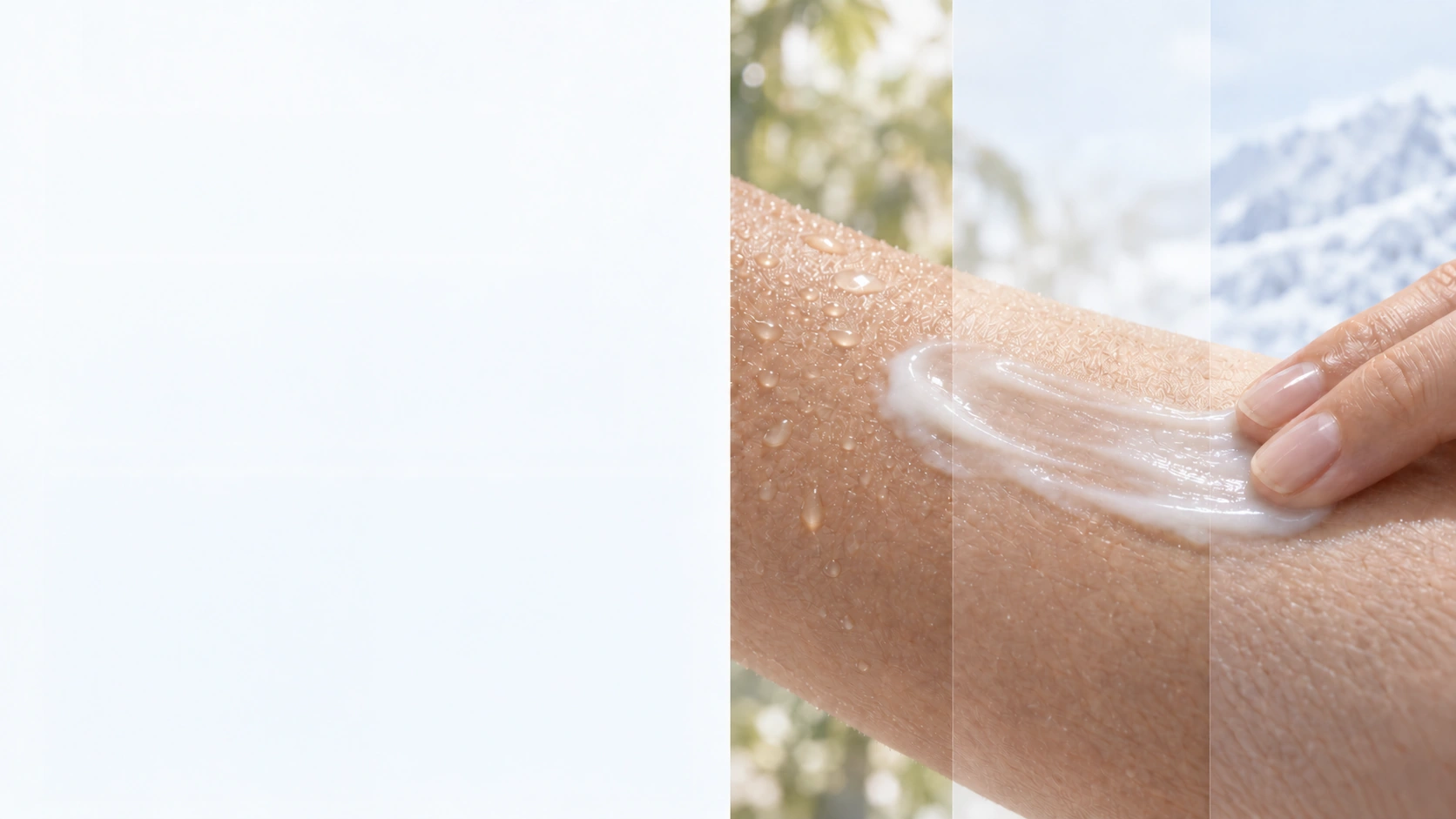
Skincare experience begins before efficacy can be perceived.
From first contact, the skin senses richness, weight, spreadability, glide, absorption and after-feel. Together, these tactile cues shape perceived quality, comfort and willingness to continue use.
 Skin condition
 Age
 Sebum level
 Stratum corneum condition
 Application area
 Application method
 Climate
 Temperature
 Humidity
 Daily environment
A formula that feels heavy in a hot, humid climate may feel appropriately nourishing in a cool, dry environment. Dry and oily skin may also experience the same formula very differently.
High Humidity
Higher Temperature
Moderate Humidity
Moderate Temperature
Low Humidity
Lower Temperature
SKIN SENSORY STANDARD
Words such as fresh, nourishing, silky and non-sticky are useful, but inherently subjective.
Oil content, moisture or any single device reading cannot fully describe how a product feels on real skin.
SUBJECTIVE LANGUAGE

OUR SCIENCE
FROM SUBJECTIVE FEELING TO MEASURABLE DESIGN
To make skin feel more objective, comparable and applicable, the A&S research team established two proprietary relative indices.
LFI and PGI are complementary, independent dimensions. They describe sensory character, not better or worse.
What kind of skin feel is suited to which skin, user and environment?
SKIN SENSORY STANDARD
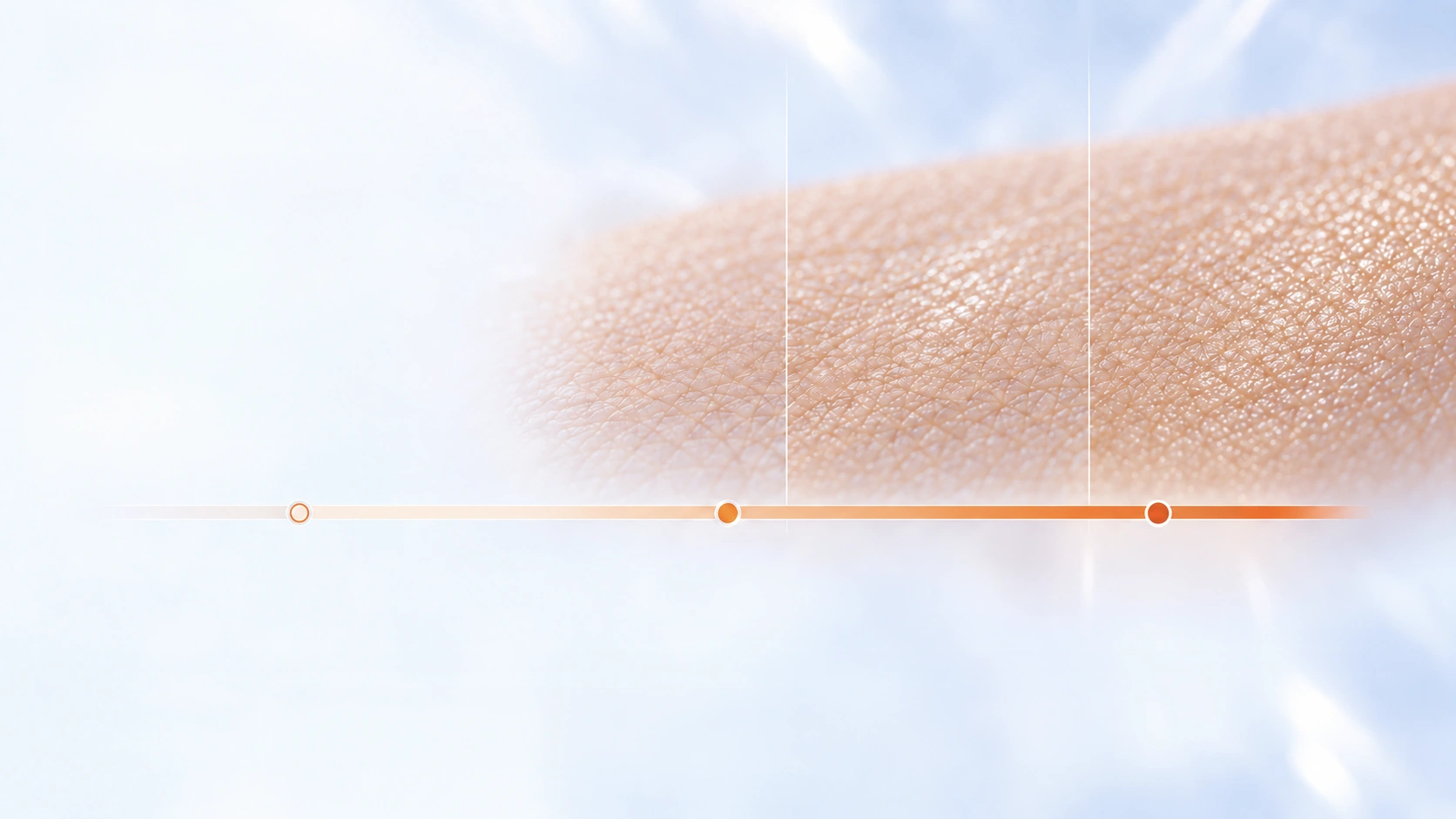
LFI estimates relative light-to-rich lipid-film character using light and rich film references.
Light Film
Balanced Film
Rich Film
SKIN SENSORY STANDARD
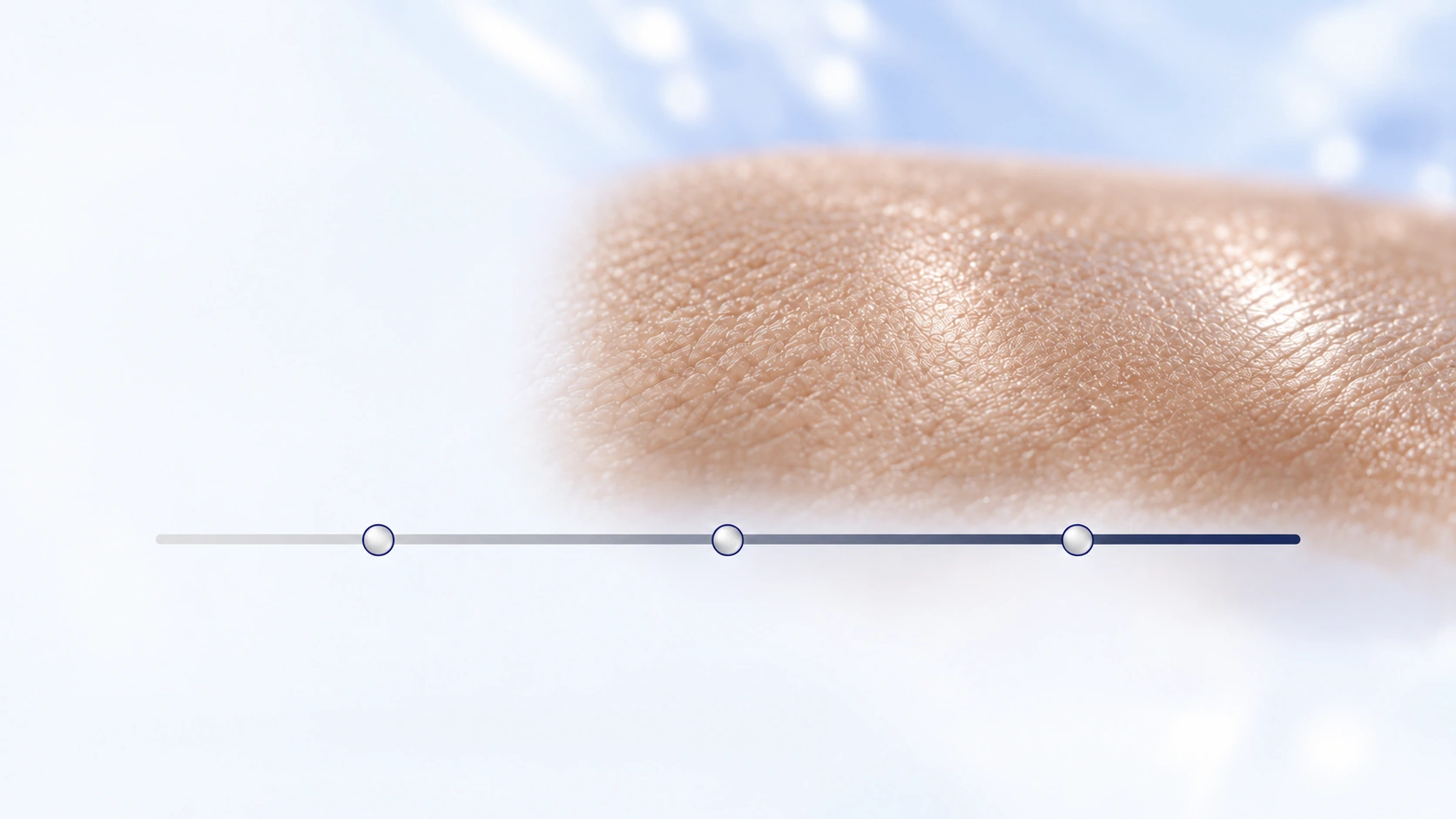
PGI estimates relative skin glide from device readings calibrated against 1–7 sensory glide ratings. It is a predictive sensory index, not a direct friction measurement.
Low Glide
0–33
Smooth
>33–66
Silky
>66–100
SKIN SENSORY STANDARD
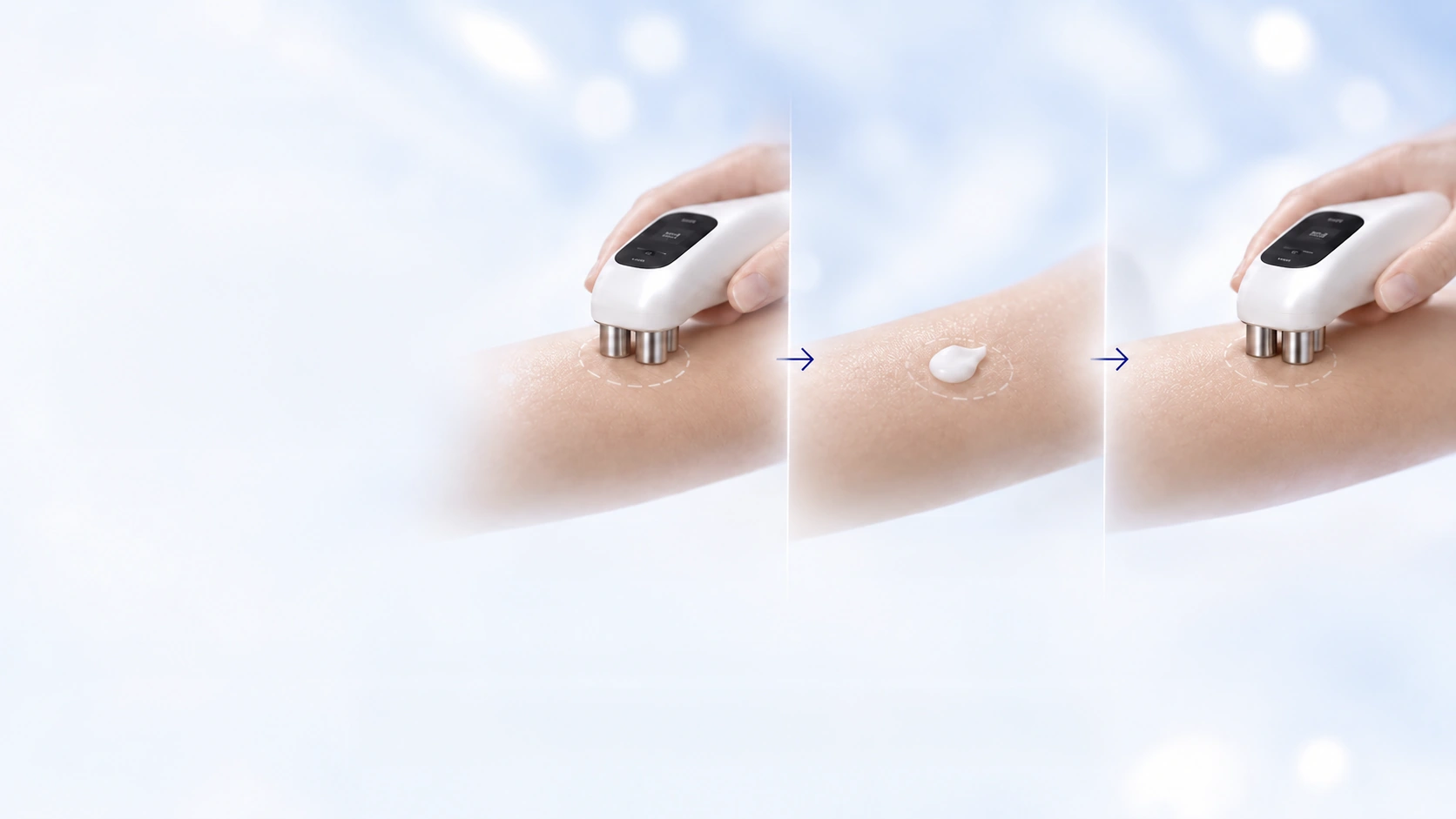
A controlled test-and-control protocol
The test area and an untreated control area are measured before and after a fixed amount of product is applied and allowed to equilibrate.
Test area + untreated control
Oil · Moisture · White · Device-derived elasticity
Fixed test area · Fixed dose ·
Standardized spreading
Repeat three readings at a fixed time

SKIN SENSORY STANDARD
Device readings are converted into two reference-calibrated relative indices.
β coefficients are established through one-time sensory calibration.

Skin Sensory Standard
A structured framework for validating repeatability, reference discrimination and sensory prediction.
Internal acceptance target:
CV ≤ 15%
Three repeated readings under the same standardized conditions.

Confirms that the method differentiates Light versus Rich film references and Low versus High glide references.
 High
 High
LFI is checked against perceived film richness.
PGI coefficients are trained against 1–7 glide ratings and verified by cross-validation.
Schematic Representation · Not Study Results
Acceptance criteria remain provisional until the reference dataset is established.

Skin Sensory Standard
Two independent dimensions create a clearer picture of how a product feels on the skin.

Cushioned & nourishing
Rich yet silky
Daily conditioning
Light & fresh
Light yet refined
Designed to describe sensory character—
not to rank product quality.
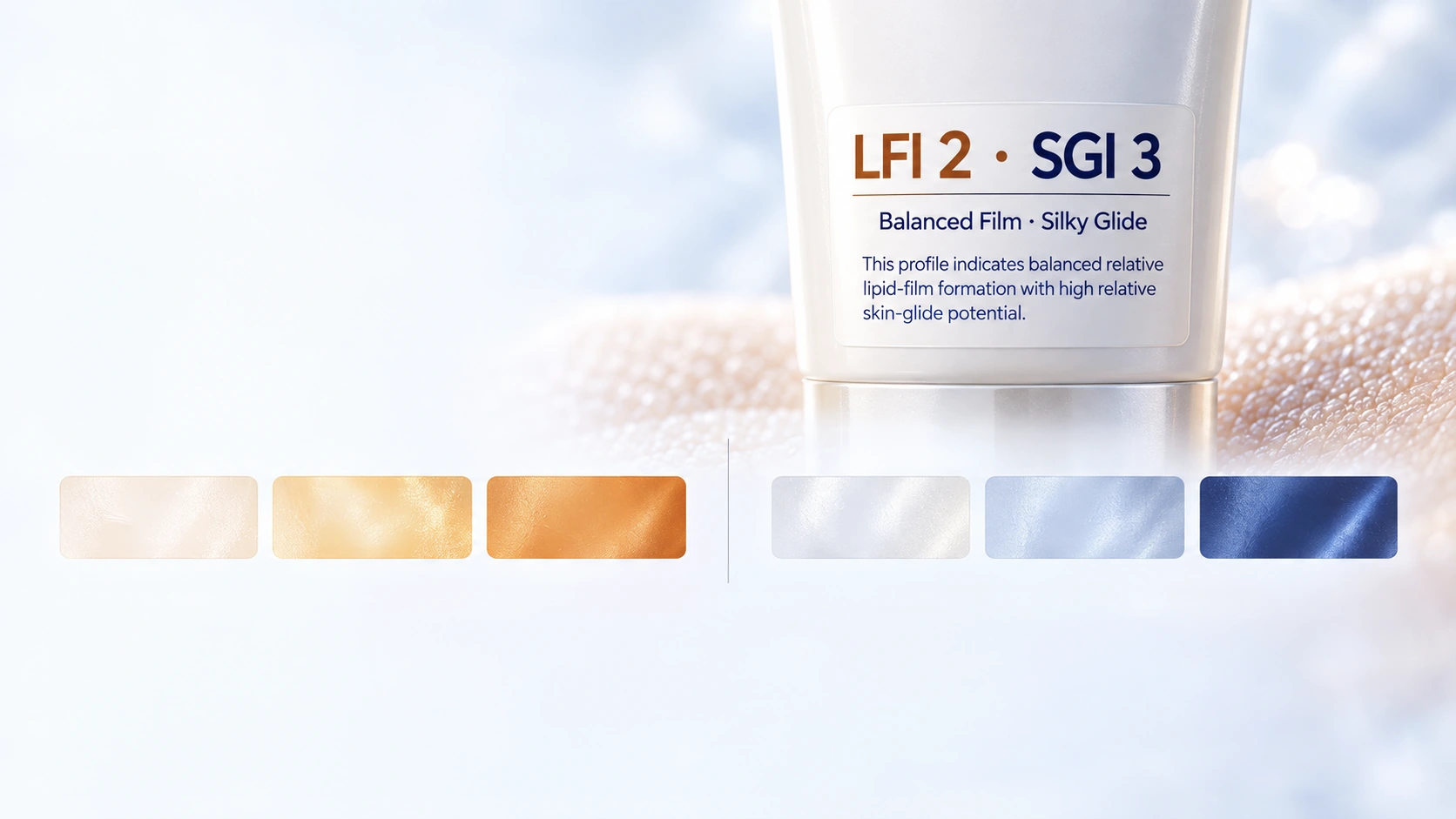
Product Index Label
LFI and PGI describe two complementary dimensions of skin feel. Displayed together, they provide an at-a-glance profile of a formula's sensory character.
Balanced Film · Silky Glide
Relative lipid-film character and predicted skin glide.
Light Film

Balanced Film

Rich Film

0–33

>33–66

>66–100
Unlike SPF or PA, LFI and PGI do not indicate protection, efficacy or product quality.
They describe two independent dimensions of sensory character under standardized A&S test conditions.
LFI levels are shown qualitatively; numerical classification thresholds remain provisional.
A&S proprietary classification. Product profiles should be compared only when measured using the same standardized protocol.
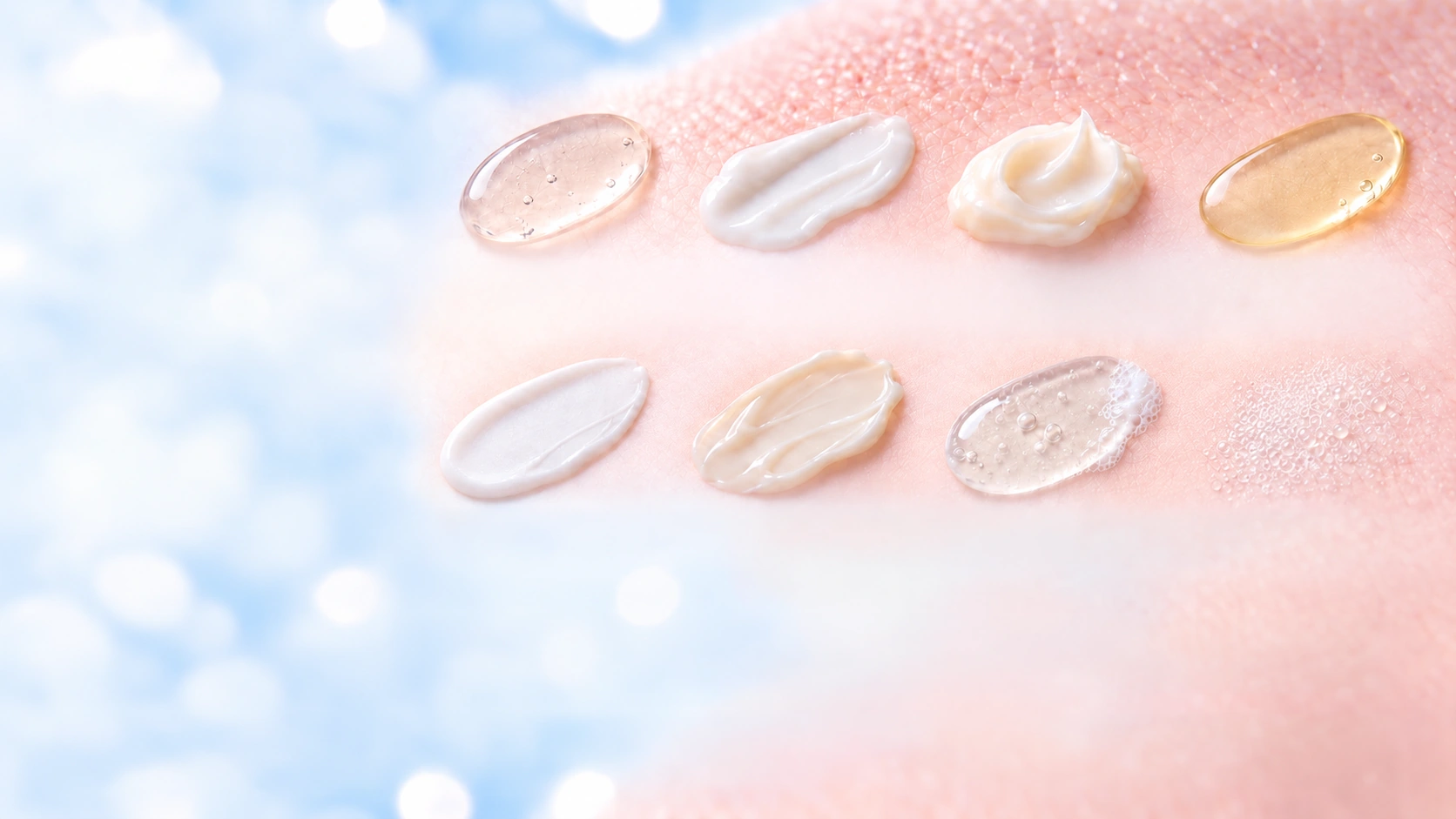
Application Scope
Designed for topical products that leave a measurable sensory profile on the skin.

Lightweight finish · rapid spread
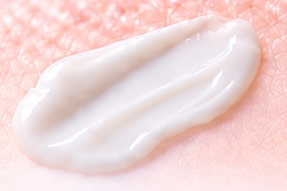
Balance of film and glide
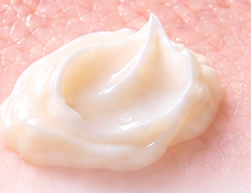
Richness · cushion · residual feel
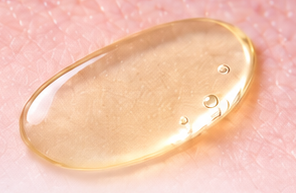
Lipid presence · mobility
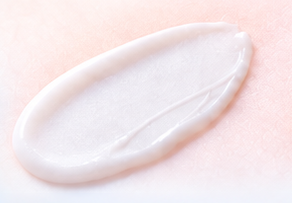
After-feel · smooth application
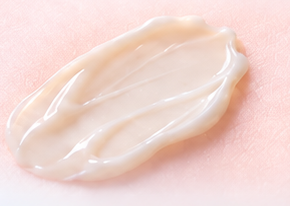
Slip · comfort · lasting film
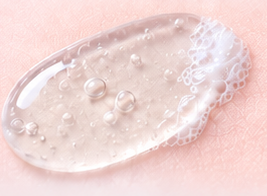
In-use glide · post-rinse feel
Fine dispersion · weightless feel
LFI and PGI describe how a formula feels—not whether one product type is better than another.
For rinse-off cleansing, in-use glide and post-rinse skin feel should be evaluated separately. Test site, dose, water exposure, rinsing conditions and equilibration time must be standardized.
Masks, scalp or hair products, and color cosmetics require protocols adapted to their intended use.