
Hands weaving luminous neural connections within a blue brain.

NEUROPLASTICITY

The Brain Is Built
to Adapt

The brain is not a fixed network. Through experience-dependent plasticity, neural connections continually strengthen, weaken and reorganize.

A&S explores how sensory input, olfactory signaling, neuromodulatory systems and bio-responsive molecules shape the biological conditions that support learning, adaptation, homeostasis and long-term brain resilience.
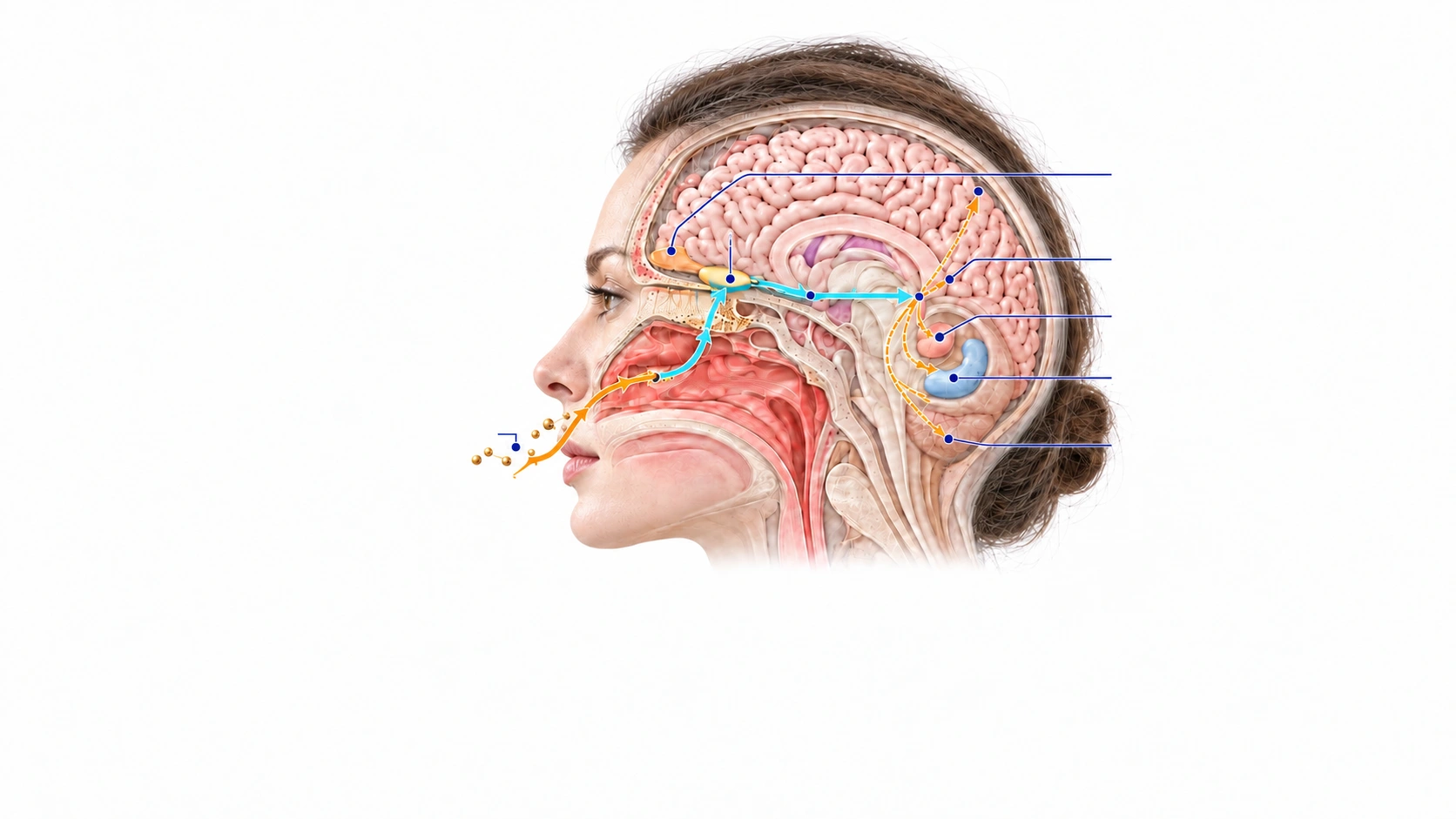
Sagittal view of the olfactory pathway from the nose to cortical, limbic and homeostatic brain regions.

Scented Therapy
as Olfactory Input

Bio-responsive aromatic molecules activate receptors in the olfactory epithelium. The resulting neural signals reach the olfactory bulb and interact with cortical, limbic and homeostatic networks involved in experience-dependent plasticity.

Orbitofrontal Cortex
Evaluation & Decision-Making
Piriform Cortex
Odor Processing
Amygdala
Emotion & Salience
Hippocampus
Memory & Learning
Hypothalamus
Homeostasis & Stress Regulation

Olfactory BulbFirst Neural Relay

Olfactory Tract

Cribriform Plate

Olfactory Epithelium

Bio-Responsive
Aromatic Molecules

Molecular Entry

  1. Aromatic Molecules
  2. Receptor Binding
  3. Neural Signal
  4. Olfactory Bulb
  5. Olfactory Tract
  • Primary Olfactory Pathway
  • Associated Integration

Anatomical locations are atlas-referenced; pathways are simplified for conceptual clarity.

Neuromodulatory Systems Shape Plasticity

Neuromodulatory Systems Shape Plasticity

Neuromodulatory systems regulate the brain’s responsiveness to experience. Through widespread projections, they influence arousal, attention, mood, reward and memory—shaping when and how neural circuits undergo plastic change.
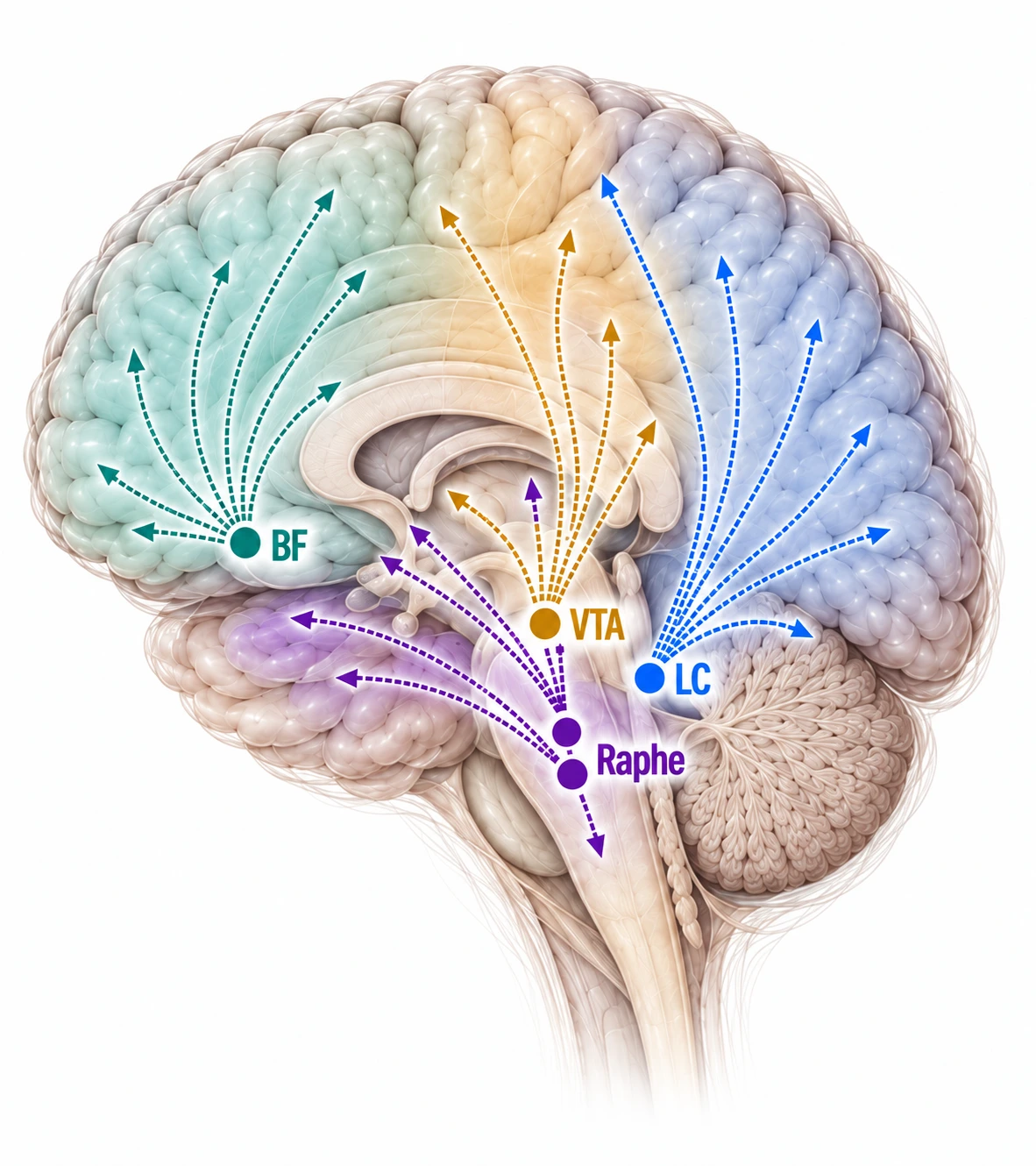
Sagittal brain illustration showing projections from the basal forebrain (BF) in teal, ventral tegmental area (VTA) in gold, locus coeruleus (LC) in blue and raphe nuclei in purple.

Four Diffuse Regulatory Systems

Locus Coeruleus
Norepinephrine (NE)Arousal · Attention · Adaptive Response
Raphe Nuclei
Serotonin (5-HT)Mood · Emotional Regulation · Flexibility
Ventral Tegmental Area
Dopamine (DA)Reward · Motivation · Learning
Basal Forebrain
Acetylcholine (ACh)Attention · Memory · Cortical Plasticity

Anatomical locations are atlas-referenced; projection fields are simplified for conceptual clarity.

  1. Neuromodulatory Release
  2. Network Responsiveness
  3. Synaptic Adaptation
  4. Experience-Dependent Plasticity

Together, these systems create the neurochemical conditions that enable neural networks to strengthen, weaken or reorganize in response to experience.

Integrated Mechanisms of Neuroplasticity

How Disruptive and Resilience-Supporting Conditions Shape Neural Adaptation
01Upstream Molecular Signaling

  1. Ca2+
  2. CaMKII
  3. p-CREBP
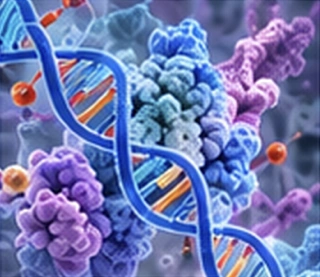
  4. Gene TranscriptionDNA double helix

Induction of Neurotrophic & Growth Factors

  • BDNF
  • NGF
  • GDNF
  • VEGF
  • IGF-1

02Four Domains of Neuroplasticity

Molecular Plasticity

DNA and molecular proteins
  • CREB activation
  • Epigenetic regulation
  • Neurotrophic signaling
  • Synaptic protein synthesis (e.g., PSD95, Synapsin)
  • miRNA regulation

Structural Plasticity

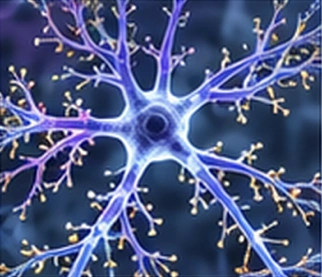
Neuron with branching dendrites
  • Dendritic remodeling
  • Spine formation & maturation
  • Synaptogenesis
  • Axonal growth & remodeling
  • Myelination

Functional Plasticity

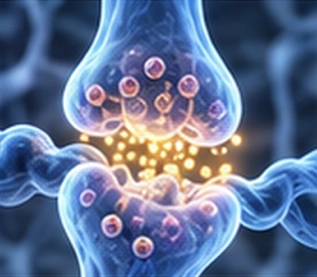
Neurotransmitter signaling across a synapse
  • Synaptic efficacy (LTP/LTD)
  • Circuit connectivity
  • Memory encoding & retrieval
  • Learning & cognitive flexibility

Cellular Homeostasis

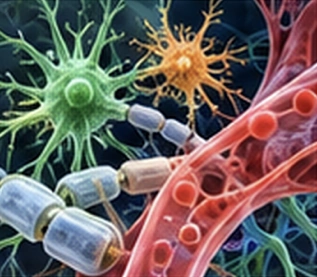
Glial cells, myelin, and a blood vessel
  • Microglial balance (M2↑/M1↓)
  • Astrocyte support
  • Oligodendrocyte & myelination
  • Neurovascular integrity
  • Reduced neuroinflammation
  • Protein clearance of Aβ & toxic proteins
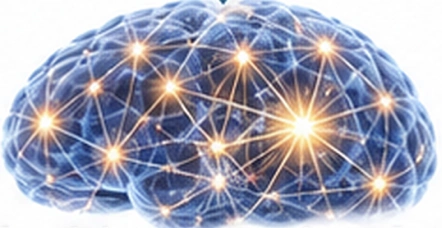
Brain with interconnected, illuminated neural pathways
Integrated Neuroplasticity Brain Adaptation & Resilience
An older woman with the brain, nervous system and heart illuminated, illustrating interconnected regulation and resilience.

Potential Functional
Impacts of
Neuroplasticity

From Systemic Regulation
to Cognitive Resilience

Adaptive neuroplasticity may contribute to the regulation of stress, mood, sleep, autonomic function and learning. Over time, these interconnected processes may help preserve functional capacity and support resilience across healthy cognitive aging.

Supporting Brain Function, Resilience
and Healthy Longevity

Potential research pathways—not clinical claims.

Systemic Regulation

  • Stress Responsiveness
  • Emotional Balance
  • Restorative Sleep
  • Autonomic Balance

Cognitive Resilience

  • Memory & Learning
  • Attention &
    Executive Function
  • Neural Connectivity